Peanut allergy is one of the most common food allergens and can be difficult to manage. This is a guide to managing a peanut allergy including label reading, foods commonly containing peanuts, and safe substitutes.
Jump to:
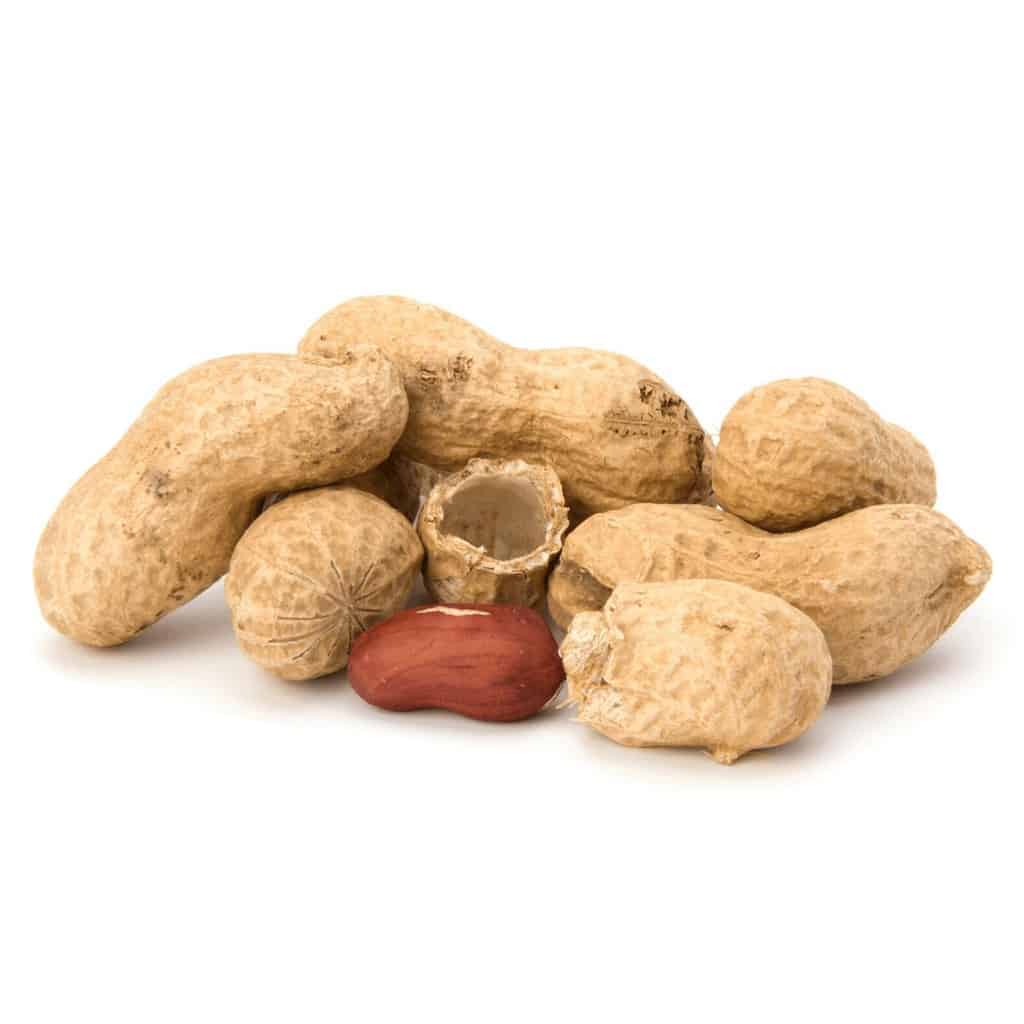
Peanut allergy and tree nut allergy are considered different types of allergies. Peanuts are not really nuts at all, they are actually a type of legume. Legumes grow underneath the soil, not in trees.
The incidence of peanut allergy is on the rise in the United States. Some experts say this may be due to the popularity of this high-protein, high-fiber food. According to the National Peanut Board, Americans eat about 7.5 pounds of peanuts per person each year!
The proteins in peanuts are very stable and stay intact through cooking and baking. This is why people with this type of allergy are often very sensitive and reactions are frequently severe.
Even the smallest amount of protein, whether it's tiny particles in the air or touching the protein, can cause a serious reaction.
Of all food allergies, peanut allergy is the least likely to be outgrown. According to FARE, about 20% of children with a peanut allergy will outgrow it.
Below you can find ingredients and foods that may contain peanuts and ideas for substitutes.
Peanut ingredients to avoid
Following is a list of some ingredients to watch for on labels that may contain peanut protein. If you are unsure about an ingredient on a food label, ask a dietitian or allergist.
- peanut, peanut butter, peanut starch, peanut flour
- cold-pressed peanut oil
- expeller-pressed peanut oil
- mixed nuts
- crushed nuts
- beer nuts
- artificial nuts
- hydrolyzed plant protein
- hydrolyzed vegetable protein (may or may not contain peanut)
- vegetable oil (if the source isn't specified)
- natural flavoring (depending on the food, may contain peanut protein)
- peanutamide
- Advisory statements like "may contain traces of peanut"
Foods commonly containing peanuts
- Baked Goods - doughnuts, pastries, breads, muffins, cookies, anything in a bakery that uses peanuts could be cross-contaminated with peanut protein
- Baking Mixes
- Chocolate - candy bars, chocolate chips (many may contain peanut traces)
- Ice Cream with nuts
- Candy - nougat, many candies may contain peanut traces
- Snacks - crackers, granola, rice cakes, caramel corn, snack mixes
- Nut butters
- Cereals
- Sauces - peanut can be used as a thickener, satay sauces, pesto
- Asian Food - stir fry, sauces, egg rolls
- Veggie burgers
- Marzipan
Always be aware of the potential for cross-contact! A bakery, for example, uses peanuts on certain products, so the risk of cross-contact is high.
Peanut free substitutes and recipes

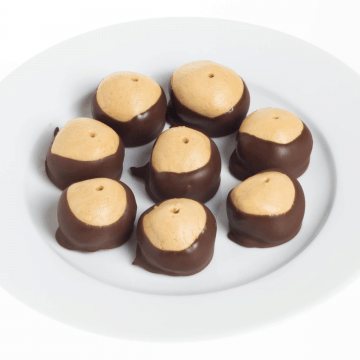
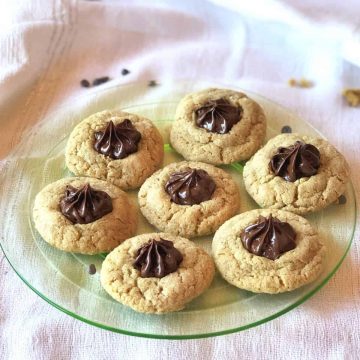
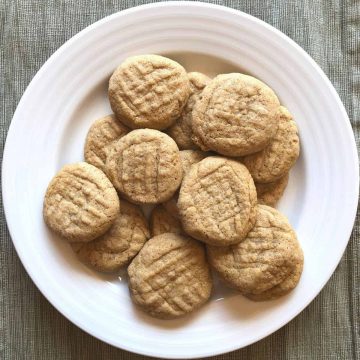
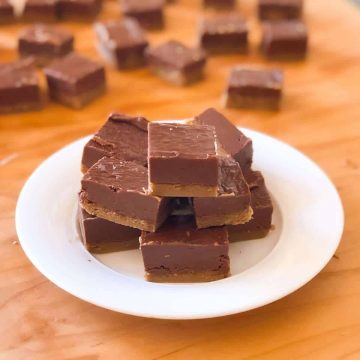
Here are some of our favorite peanut free recipes
More common food allergens

- Gluten Free Stuffing Recipe - November 13, 2025
- Nut Free Protein Bars - July 8, 2025
- Gluten Free Swedish Meatballs Recipe (Top 9 Allergen-Free) - February 2, 2025