
If you've recently started following a dairy-free diet, you might be wondering: is butter dairy-free? Butter not only adds delicious flavor as a spread and in cooking, but it is an ingredient used in many baked goods like cookies, bars, and pastries. In this post, we will explore what exactly butter is and share some dairy-free butter substitutes for cooking, baking, and spreading.
Jump to:
Is butter dairy-free?
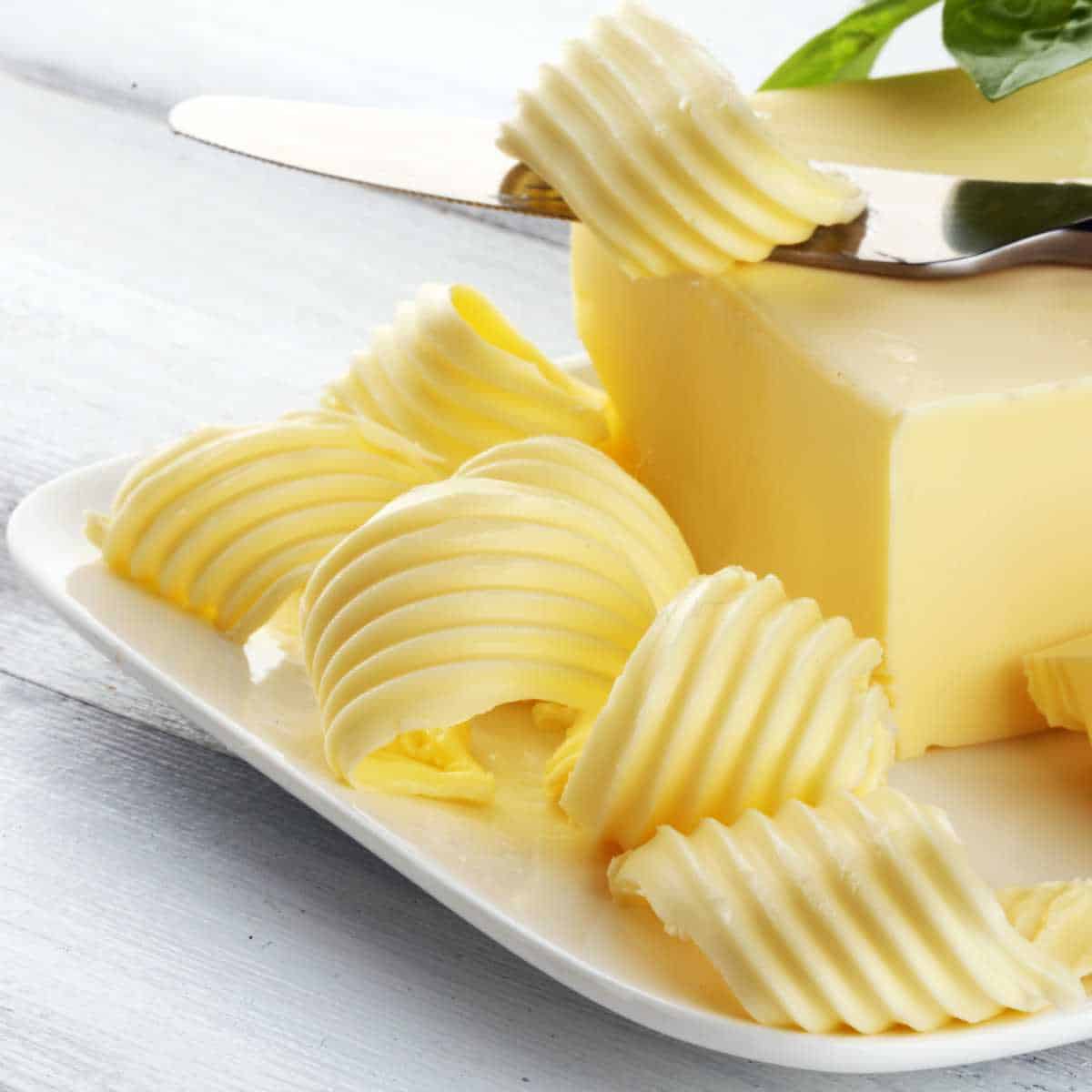
No, butter is not dairy-free. It is a dairy product because it is made from milk or cream. To make butter, cream is churned until the fat separates from the liquid and clumps together. The solid fat is butter, while the remaining liquid is buttermilk.
Butter contains small amounts of the milk proteins casein and whey. Because these proteins can cause a reaction in people with a milk allergy, butter is generally not considered safe for people with a allergy to milk.
Do people with lactose intolerance have to avoid butter?
First, let's clarify the difference between lactose intolerance and milk allergy. If you are lactose intolerant, your body has difficulty digesting lactose, a short-chain carbohydrate.
For people with lactose intolerance, eating high-lactose foods may cause gastrointestinal symptoms like gas, bloating, and abdominal pain. But people with lactose intolerance often can have small amounts of lactose without symptoms.
This is very different from a milk allergy - even tiny amounts of the proteins in dairy foods can cause a serious allergic reaction.
So, do people with lactose intolerance have to avoid butter? Because butter has only trace amounts of lactose per serving, people with lactose intolerance can usually tolerate some butter. If your GI tract is very sensitive, however, you may need to avoid it altogether.
Some commercial brands of butter may contain small amounts of lactose if they have added milk solids or flavors. If you are lactose intolerant, always check the ingredient label and make sure there are no other additives to the butter you are having.
Is margarine dairy-free?
Margarine can be dairy-free, but it depends on the brand and specific product. Some margarine may contain milk or milk derivatives, such as whey or casein, as part of their ingredients, which would make them off-limits for someone with a dairy allergy.
Luckily for those needing to avoid dairy, there are many margarine brands that are specifically marketed as dairy-free and do not contain any milk or milk derivatives which I will share later in this post.
It's really important for those with a milk allergy to read ingredient lists carefully when choosing a margarine or butter substitute because some are completely dairy free and others contain small amounts. And, with a milk allergy, even small amounts can cause an allergic reaction.
Does ghee contain dairy?
Yes, ghee is another type of dairy butter, also known as clarified butter, so it is not dairy free.
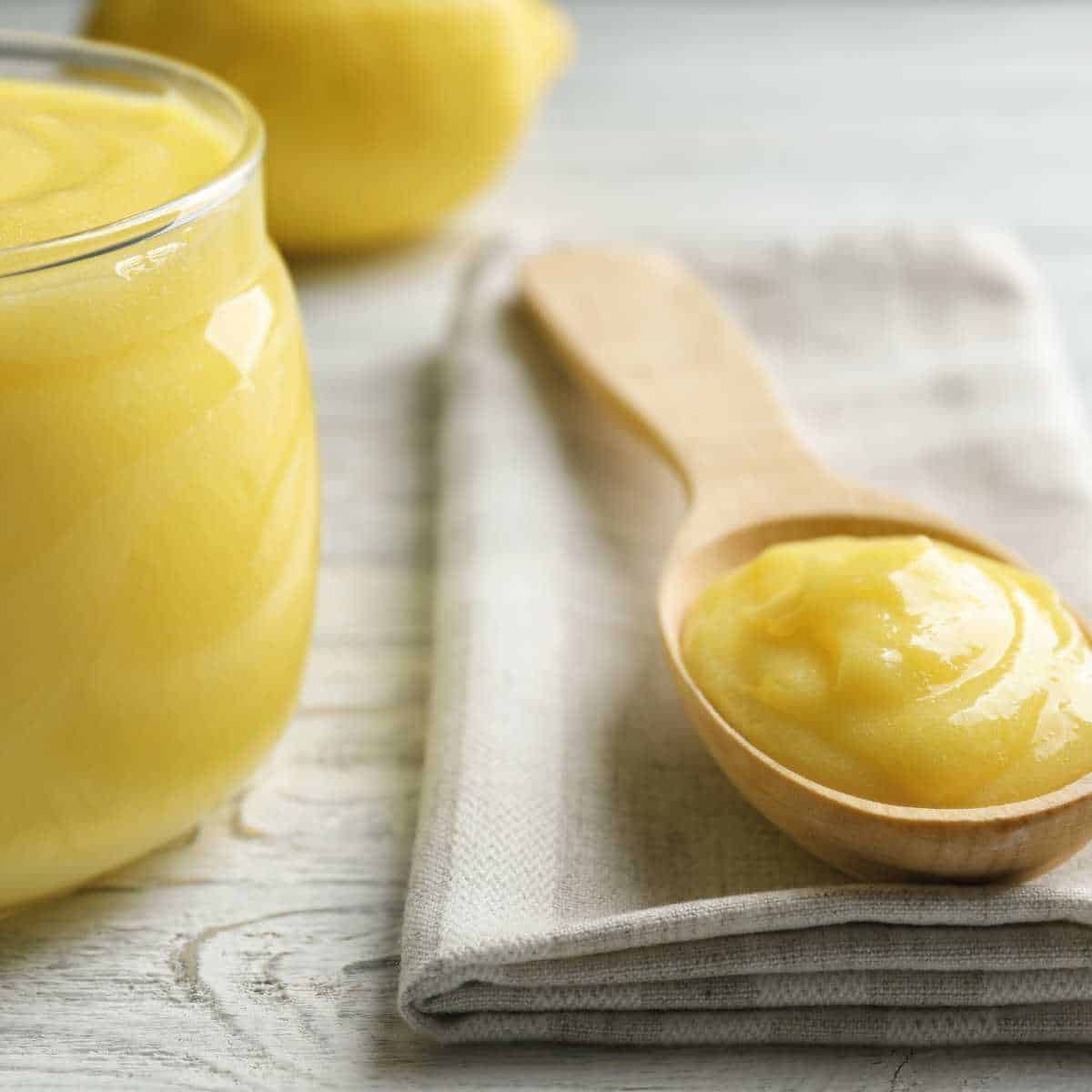
It is made similarly to regular butter by churning milk and separating the butterfat from the buttermilk. But the process goes one step further by heating the butterfat so that the water and milk solids are removed.
This gives ghee a richer flavor, a higher smoke point, and longer shelf life.
Can people with a dairy allergy have ghee?
While ghee or clarified butter contains even smaller amounts of milk protein than regular butter, these trace amounts can still cause an allergic reaction.
If you are unsure whether to avoid butter or ghee, it is best to consult your doctor or allergy specialist to determine if you can tolerate small amounts of butter.
Choosing a dairy-free butter substitute
Luckily, there are many dairy-free butter substitutes to choose from. The best one for you will depend on how you plan to use it and what matters most to you. Here are a few things to consider when choosing a dairy-free butter substitute.
How you plan to use it
Think about whether you'll be using the substitute for spreading, cooking, or baking. Some products work well for all three, while others are better suited to a particular use. If you're using it for baking, look for a product that can be used as a 1:1 substitute for butter.
Taste and texture
People love butter for its flavor and creamy texture. While I haven't found a dairy-free butter that tastes exactly like butter, most have a nice flavor and texture in my opinion.
Taste is personal, so you may need to try a few to find one you like. If you're using a dairy-free butter as a spread, taste and texture may be more important to you than how well it performs in baking.
Fat and water content
Dairy-free butter substitutes can vary in their fat and water content. This is especially important when baking because changing the amount of fat or water can affect the texture and structure of baked goods.
For the most predictable results, choose a dairy-free butter substitute with a fat content similar to that of regular butter, especially when a recipe calls for butter as a solid fat.
Other allergens
Dairy-free doesn't necessarily mean free from other allergens. Dairy-free butter substitutes may contain ingredients such as soy, coconut, or nuts, depending on the product.
Read the ingredient list and allergen information carefully to make sure the product is appropriate for your dietary needs. And remember, not all margarine is dairy-free. While margarine is typically made with plant-based oils, some products contain milk-derived ingredients.
Cost and availability
Finally, consider the price and how easy the product is to find. Dairy-free butter substitutes can be more expensive than regular butter, and some brands may only be available at certain stores or online.
Depending on what you're making, you may not need a butter substitute at all. For cooking, a plant-based cooking oil can often be used instead and may be a less expensive option.
Dairy-Free Butter Substitutes to Consider
Earth Balance Plant Butter
- Uses: Spreading, cooking, and baking
- Baking: Earth Balance can be used as a butter substitute in baking. The stick version makes measuring and using it in baking more convenient.
- My experience: This has been one of my go-to dairy-free butter substitutes for years. It has a buttery flavor and works well in a variety of recipes.
- Allergens: Check the label for the specific variety. Some Earth Balance products contain soy, while the soy free plant butter does not contain any of the Top 9 allergens.
Melt Organic Plant Butter
- Uses: Spreading, cooking, and baking
- Baking: Melt also comes in baking sticks which can be substituted 1:1 for butter making them convenient for baking.
- Allergens: Melt products are free from dairy, soy, nuts, and gluten. They contain coconut.
Wayfare Dairy Free Butter
- Uses: Spreading, cooking, and baking
- What makes it different: Made with white beans along with coconut oil and other plant-based oils.
- Allergens: Wayfare says its butter is certified free from the Top 9 allergens and gluten-free.
Country Crock Plant Butter
- Uses: Spreading, cooking, and baking
- Baking: Country Crock Plant Butter can be used in baking. The stick version makes measuring and using it in recipes more convenient.
- Options: Available in several varieties, so check the label for the specific product you choose.
- Allergens: Ingredients vary by variety, so check the current ingredient list and allergen information.
Good & Gather Plant-Based Non-Dairy Buttery Spread
- Uses: Spreading, cooking, and baking
- Baking: The product can be used in baking, and the stick version makes measuring and using it in recipes more convenient.
- Availability: Available at Target.
- Allergens: Check the current ingredient list and allergen information for the specific product.
A Note About Dairy-Free Butter Substitutes
Product formulations and manufacturing practices can change, so always check the current ingredient list and allergen information before purchasing a product-especially if you have a food allergy. A product being dairy-free does not necessarily mean it is free from your other allergens.
More dairy substitutes and recipes
If you're following a dairy free diet, be sure to check out the dairy substitutes and milk substitutes pages for more dairy free ingredient options.
Also, be sure to check out all of the allergy friendly recipes here. They're all dairy free and most are free of the top 9 allergens!
These are some of our favorite desserts using dairy free butter:


Summary
Butter is made from milk and is, therefore, considered a dairy product. If you have a milk allergy, avoiding butter is generally recommended because it contains small amounts of milk protein.
But luckily, there are many dairy free butter substitutes that you can use to add flavor to your food and to cook and bake with.

- Gluten Free Stuffing Recipe - November 13, 2025
- Nut Free Protein Bars - July 8, 2025
- Gluten Free Swedish Meatballs Recipe (Top 9 Allergen-Free) - February 2, 2025
Questions? Comments? Drop them below! 👇